


3 Tips for Using Seal Liners Effectively
In today’s increasingly competitive market, product protection is not only a mandatory requirement but also a key factor in building customer trust. Among the protective solutions chosen by many businesses, seal liners play a small yet extremely important role. They ensure product quality from the factory to the end user.
However, in reality, many businesses are using seal liners incorrectly. As a result, liners are not tightly sealed, become bulged during transportation, and cause unnecessary additional costs.
So how can seal liners be used effectively?
In this article, Sam Lan shares 3 most important tips when using seal liners. Business owners can choose the right type, apply the correct method, and optimize product protection efficiency.
Seal liners and their role in product protection
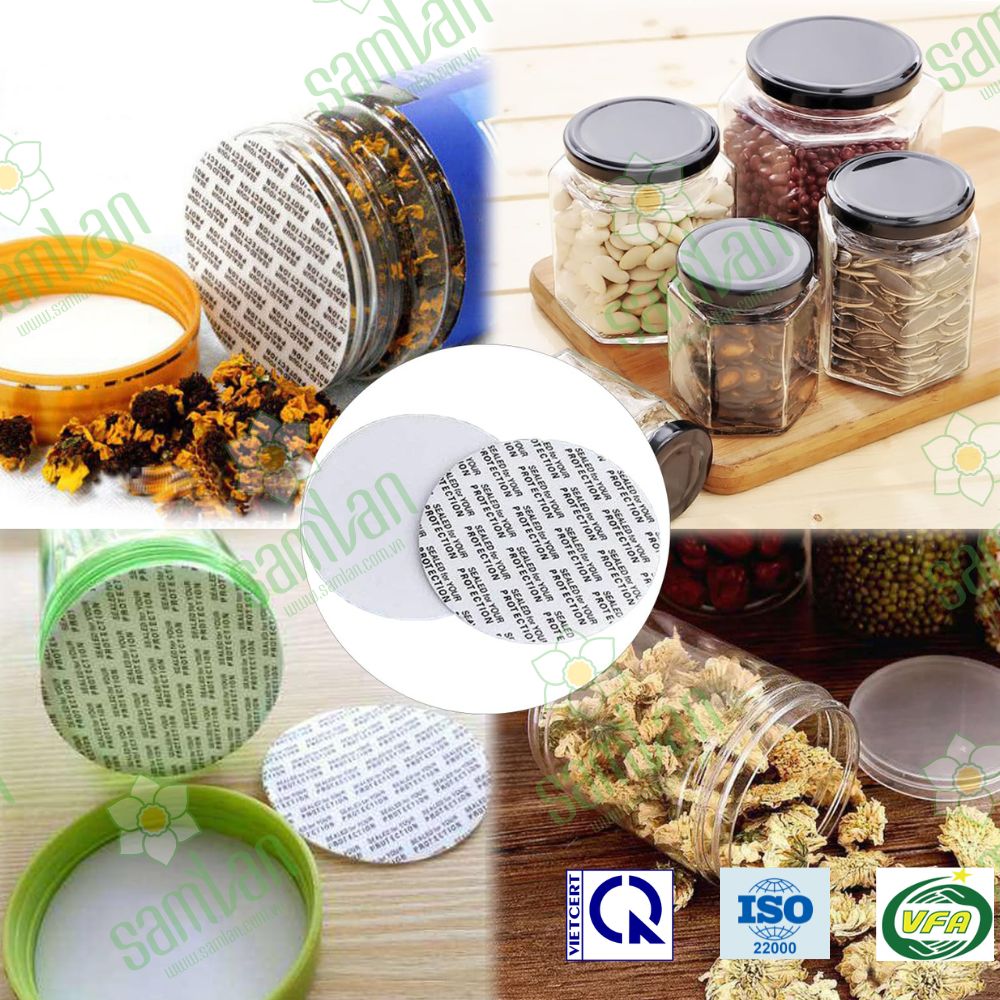
Seal liners are thin layers used to seal bottle and jar openings before the cap is closed. When heat is applied, the liner adheres firmly to the mouth of the container, creating an airtight protective layer.

Why are seal liners increasingly essential for businesses?
Using seal liners provides many practical benefits:
- Prevent leakage and spillage during transportation
- Protect products from moisture, bacteria, and air
- Enhance anti-counterfeiting and tamper-evidence
- Improve professional image and brand credibility
Especially in the food, pharmaceutical and chemical industries, seal liners are almost a mandatory standard.
Read more: How to Store Capsules Properly – Are You Doing It Right?
3 Important tips when using seal liners you should know
Seal liner thickness – A decisive factor for durability and protection
Many businesses choose seal liners based only on price, ignoring other factors such as thickness. In reality, seal liner thickness directly affects:
- Load-bearing capacity and impact resistance
- Level of airtight sealing
- Seal durability during transportation and storage
Each type of seal liner has different thickness levels. Typically, induction seal liners range from 1.0 – 1.2 mm. Aluminum foil seal liners commonly have a thickness of around 0.6 mm. Seal liners for corrosive chemicals may require a thickness of 1.0 – 1.5 mm.
If the liner is too thin, it can easily tear, bulge, and lose protective capability. Conversely, overly thick liners can cause difficulties in heat induction and increase unnecessary costs. Therefore, businesses should select liner thickness based on the actual product characteristics.
Bottle and jar material – Not all seal liners are universally compatible
A common mistake is using one type of seal liner for all bottles and jars. In fact, packaging material significantly affects the adhesion performance of seal liners. Common container materials include PE, HDPE, PP plastics, and glass. Each material has different structures, requiring corresponding seal liner designs to ensure optimal bonding.
Sam Lan seal liners are designed to be diverse and compatible with various types of bottles and jars. Businesses can easily select the right liner, reducing defect rates during packaging. Sam Lan recommends testing seal liners on actual bottles and jars before purchasing in large quantities.
Seal liner size must match the bottle or jar opening
Even with the correct thickness and material, if the seal liner size does not fit the bottle mouth, sealing effectiveness will still be compromised. A common error is using liners that are smaller or larger than the container opening.
To determine the correct seal liner size, businesses need to accurately measure the diameter of the bottle mouth. Bottle openings may be flat, recessed, or threaded. After measurement, select the corresponding liner size.
Correct liner sizing ensures even adhesion and a neat seal, optimizing protection efficiency and reducing production defects. For product lines with multiple volume variations, businesses should standardize seal liner sizes to improve operational efficiency.
The right seal liner solution for your business
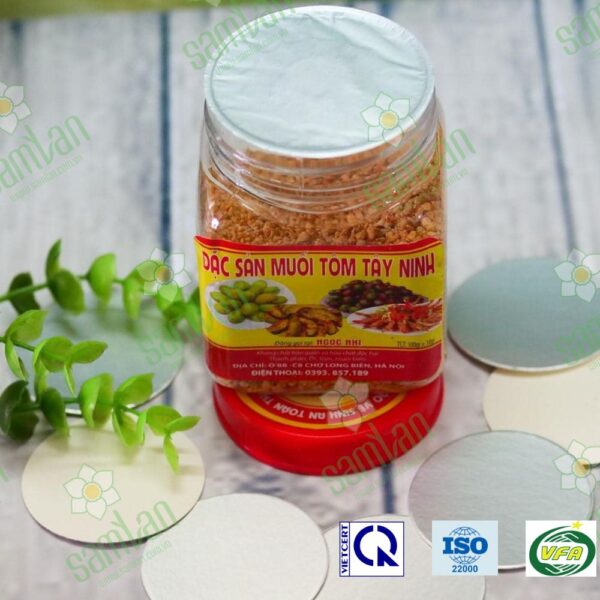
Sam Lan seal liners are a comprehensive product protection solution for businesses seeking quality packaging. With strong adhesion, high sealing performance, and compatibility with various container types, Sam Lan helps ensure optimal protection.
Beyond protection, Sam Lan seal liners enhance professionalism, build customer trust, and contribute to sustainable brand development.
Conclusion
Although seal liners are small components, they play an extremely important role. To use seal liners effectively, businesses must pay close attention to three factors: choosing the right thickness, selecting the appropriate container material, and ensuring accurate liner size.
Investing correctly from the beginning not only minimizes product damage risks but also enhances brand credibility and long-term value.