


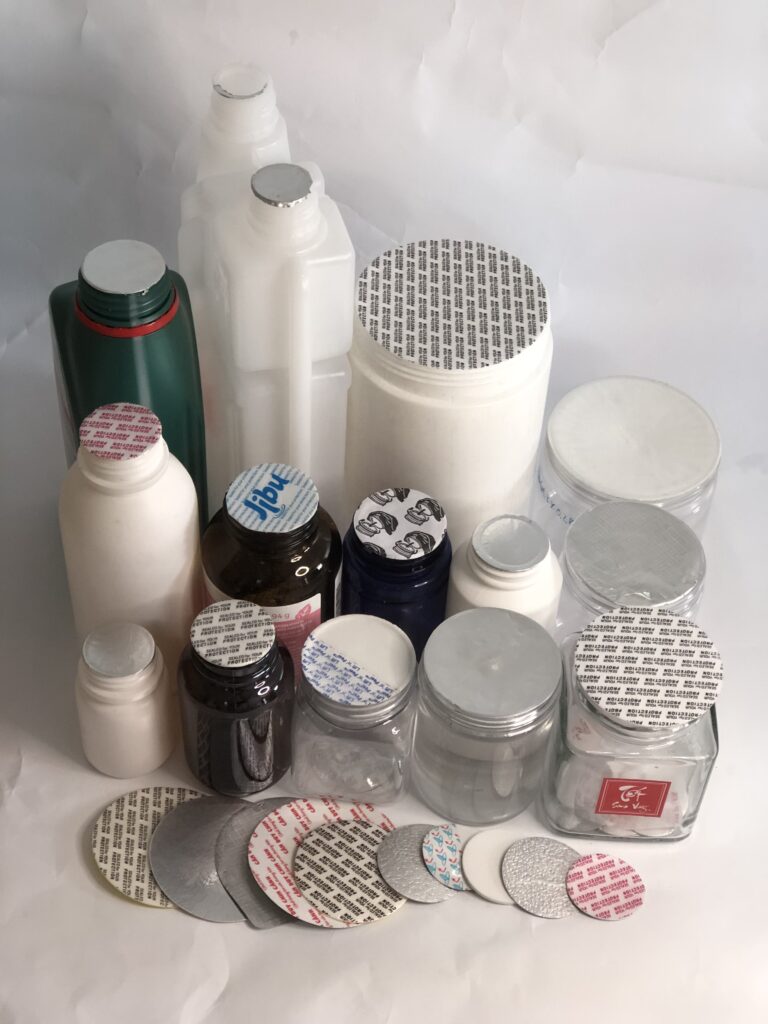
In modern production lines—especially in the food, pharmaceutical, and cosmetics industries—induction sealing machines play a crucial role in protecting product quality. Even a minor malfunction at this stage can disrupt the entire packaging process, causing significant losses in time, cost, and brand reputation. Understanding the most common issues in induction sealing and knowing how to troubleshoot them is key to maintaining stable operations, optimizing efficiency, and ensuring consistent product quality.
1. Seal Liner Gets Burnt, Melted, or Produces a Burnt Smell
Causes
This issue typically occurs when the sealing temperature exceeds 200°C. At this point, the polyethylene layer in the liner begins to decompose, producing a burnt odor and dark scorch marks. Another cause is a slow conveyor speed, which keeps the liner in contact with the heating head for too long. A faulty temperature sensor may also display incorrect readings, causing the actual heat level to be much higher than indicated. Low-quality liners are also more prone to burning due to poor heat resistance.


Signs to Look For
The liner surface shows dark, uneven burn marks and may emit light smoke. The surrounding area often has a strong burnt smell. In severe cases, the liner may tear or develop holes, resulting in poor sealing.
How to Fix
Gradually lower the temperature in small increments of 10–15°C. Increase conveyor speed slightly to reduce heating time. Calibrate the temperature sensor using an independent measuring device, as even minor deviations can cause widespread product defects. If the issue stems from poor material quality, the only solution is to use high-quality, certified seal liners from reputable suppliers.
2. Seal Liner Is Loose or Does Not Stick Properly
Causes
When the machine runs at too low a temperature (below 130°C), the plastic layer does not soften enough to bond with the bottle cap. If the conveyor speed is too fast, the liner does not receive enough heat for the adhesive to melt fully. Seemingly small issues—such as oily, dusty cap surfaces or insufficient sealing pressure—can also affect sealing performance.

Signs to Look For
The liner peels off easily by hand or has uneven adhesion, with some areas sticking and others lifting. If the liner detaches without leaving adhesive traces, the temperature may be too low, or the liner may not be compatible with the cap material.
How to Fix
Increase the temperature gradually until the adhesive melts evenly—usually between 140°C and 180°C. Reduce conveyor speed to increase heat contact time. Ensure the cap surface is clean and dry before sealing. Adjust sealing pressure to maintain 2–4 bar. When these factors are properly synchronized, loose sealing issues are almost fully eliminated.
3. Paper Layer Sticks to the Liner and Cannot Be Removed
Causes
When the sealing temperature exceeds 180°C, the adhesive melts excessively, causing the paperboard layer to bind tightly to the aluminum foil. In high-humidity environments, carton paper absorbs moisture and becomes softer, increasing adhesion between layers. Excessive sealing pressure makes this bond even stronger.

Signs to Look For
The paper tears into small pieces when removed, leaving residue stuck to the foil. Operators may hear a slight scraping sound when trying to peel the paper off.
How to Fix
Reduce the sealing temperature gradually and increase conveyor speed to shorten heat exposure time. Maintain production area humidity between 50–60%, which is ideal for material stability. For hard-to-resolve cases, consider switching to multi-layer liners or easy-peel liners designed for effortless removal while maintaining airtight sealing.
4. Seal Liner Forms Air Bubbles or Does Not Seal Airtight
Causes
Unstable air pressure in the pneumatic system leads to inconsistent sealing force across products. Bottles with uneven or deformed sealing surfaces trap air during sealing. If the production line runs too fast, air may not escape fully before the liner is pressed down, forming bubbles. Low sealing temperature can also prevent the liner from conforming to rough surfaces.

Signs to Look For
Small bright dots or slightly raised areas appear on the liner surface. When pressed lightly, the surface may produce a popping sound or feel unstable.
How to Fix
Maintain stable air pressure between 3–4 bar using an accurate regulator. Reduce conveyor speed or increase temperature slightly to soften the liner and improve adhesion. Adjust the sealing head to apply even pressure across the entire surface. Bottles with visible surface defects should be removed before entering the line.
5. Seal Liner Becomes Wrinkled and Looks Unsightly
Causes
This problem usually occurs when the heating head does not distribute temperature evenly. Some areas become too hot while others remain cool, causing inconsistent expansion and contraction of the liner. Excessive liner tension or high environmental humidity can also create wrinkles.

Signs to Look For
Small wrinkles or circular waves appear around the bottle mouth, reducing the aluminum’s smooth finish. The surface feels uneven when touched.
How to Fix
Inspect and recalibrate the heating system to ensure uniform temperature distribution. Reduce conveyor speed by about 10% to give the liner more time to adjust. Correct liner tension during feeding—neither too loose nor too tight. Use high-elasticity liners with a uniform structure and maintain room humidity between 45–55%.
Conclusion
Most induction sealing issues can be resolved when operators fully understand the root causes and technical parameters. When temperature, pressure, and speed are properly calibrated, the production line runs smoothly, minimizes risks, and delivers consistent product quality.
With years of experience supplying aluminum seal liners, induction sealers, and comprehensive packaging solutions, Sam Lan not only helps businesses eliminate technical issues but also supports long-term optimization of product quality.
Contact Sam Lan today for tailored solutions for your packaging process.