
Guide to Calculating the Right Amount of Silica Gel for Carton Boxes
During transportation and storage, humidity is always a major risk to product quality. Even small amounts of moisture can cause mold, corrosion, and damage to packaging, directly affecting customer satisfaction. Therefore, moisture control solutions have become essential for many businesses. However, using silica gel correctly is crucial to achieve maximum effectiveness while still saving costs.
This article will help you understand how to calculate the appropriate amount of silica gel for carton boxes. If you are looking for an effective solution to protect your products during storage and transportation, this is the guide for you.
How to Calculate the Right Amount of Silica Gel for Carton Boxes
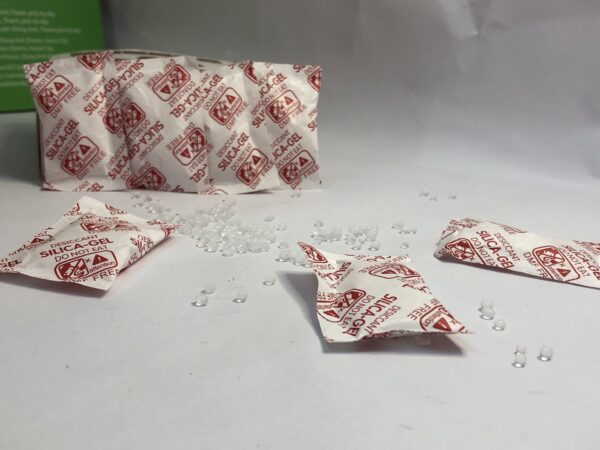
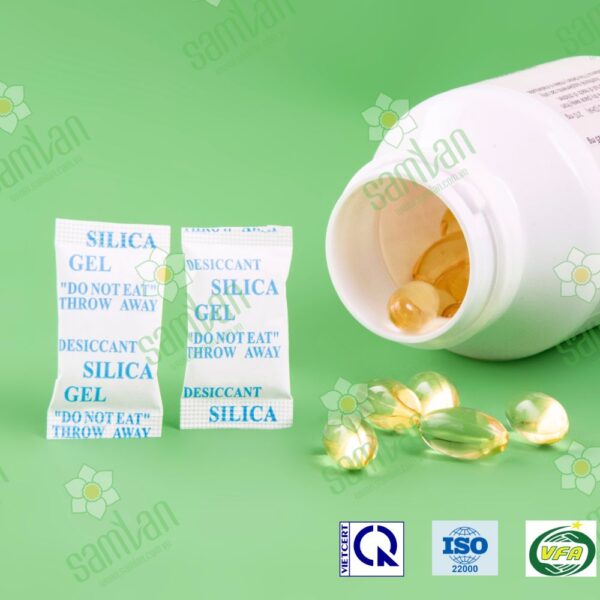
Silica gel is a highly effective moisture-absorbing material. It is commonly packed in small sachets and placed directly inside product packaging or carton boxes. Thanks to its porous structure, it absorbs moisture quickly and remains stable, helping maintain a dry environment inside the package.
This material is safe, odorless, non-toxic under normal conditions, and widely used in industries such as electronics, textiles, pharmaceuticals, and food packaging.
Why Is It Important to Calculate the Correct Amount of Silica Gel?
Modern packaging processes are becoming more optimized and scientific. Many businesses still overlook moisture control. If too little desiccant is used, moisture will not be fully absorbed, increasing the risk of mold especially during long transportation or extended storage.
On the other hand, using too much desiccant increases packaging costs and affects product pricing, which may influence customers’ purchasing decisions.
Calculating the correct amount of silica gel helps you:
- Protect goods from environmental moisture
- Optimize packaging costs
- Standardize operational procedures
This is a critical factor for export businesses or companies shipping goods in large volumes, as proper silica gel usage can solve many challenges in product preservation.
Factors Affecting the Required Amount of Silica Gel
To calculate accurately, you should consider several factors instead of relying only on carton size.
Carton box volume
The larger the internal volume of the carton, the more air it contains, and therefore the more moisture it can hold. This is the first factor to consider in any calculation.
Type of product inside
Different products have different moisture sensitivity. Electronic components require a very dry environment, while garments or leather products are more tolerant.
Storage and transportation time
If goods are stored only for a few days, moisture absorption demand is low. However, for long-distance or international shipping that lasts weeks, humidity exposure increases significantly and requires stronger moisture protection.
Environmental conditions
In tropical climates like Vietnam, humidity is generally high, so more silica gel is required compared to cold or dry regions. The rainy season further increases moisture levels.
Step-by-Step Guide to Calculating Silica Gel for Carton Boxes
Step 1: Measure the internal dimensions of the carton
Measure length, width, and height (in cm) of the inside of the carton.
Step 2: Calculate carton volume
Formula:
Volume (liters) = (Length × Width × Height) / 1000
Example:
Carton size: 40 × 30 × 30 cm
Volume = 40 × 30 × 30 / 1000 = 36 liters = 0.036 m³
Step 3: Apply industry standards
According to international standards, 1 unit (≈ 33 g) of desiccant absorbs moisture effectively in:
- 0.6 m³ for airtight packaging
- 0.2 – 0.3 m³ for normal carton packaging
Step 4: Calculate required silica gel amount
If your carton volume is 0.1 m³ (100,000 cm³) and you use normal carton packaging: You need approximately 1 unit (~33 g) of desiccant.
Common Mistakes When Using Silica Gel
Many businesses place desiccant sachets incorrectly. Moisture-absorbing sachets should be evenly distributed inside the carton, not concentrated in one corner.
Another common mistake is reusing saturated desiccant sachets. Once silica gel has absorbed moisture, its effectiveness drops significantly.
Additionally, many people forget to consider the moisture content of the product itself. Some goods naturally contain moisture, so extra protective measures may be required.
Important Notes When Packing Silica Gel in Carton Boxes
- Use moisture-proof sachets to prevent water penetration.
- Do not allow desiccant sachets to directly contact fresh food or chemical products.
- Clearly label the quantity and type of desiccant used to ensure quality control.
Where Should Businesses Buy Silica Gel?

There are many suppliers in the market today. Businesses should choose reputable suppliers with clear product origins and quality certifications. A good supplier can also provide consultation on the appropriate amount of silica gel for each type of carton.
Among many options, Sam Lan is a trusted supplier chosen by numerous businesses. Sam Lan offers various types of silica gel and desiccant solutions suitable for packing in carton boxes, with flexible packaging sizes for both domestic use and export.
Sam Lan’s strengths include stable product quality, certified raw materials, and the ability to supply large quantities on demand. In addition, Sam Lan provides technical support to help businesses calculate the exact amount of desiccant required for each packaging scenario, ensuring optimal moisture protection while avoiding unnecessary costs.
For companies seeking a stable, long-term moisture control solution, Sam Lan is a reliable partner worth considering.
Conclusion
Calculating the correct amount of silica gel for carton boxes is not complicated, but it brings significant benefits. It protects products, optimizes costs, and improves operational efficiency.
By understanding carton volume, product characteristics, and environmental conditions, businesses can determine the appropriate dosage. Silica gel remains one of the safest and most effective moisture-control solutions today.
If you are unsure about how much silica gel your products require, contact Sam Lan for professional consultation. Investing correctly from the beginning helps reduce long-term costs and increase the overall value of your products.
 News - Events
Silica Gel Uses: Safe, Non-Toxic, and Environmentally Friendly
 News - Events
How to Choose Heat Induction Seal Liner for Your Products
 News - Events
Sam Lan’s Cap Liners and Seals: Where Quality Always Comes First
 News - Events