Induction Sealing Technology: The Key to Freshness and Safety in Food & Beverage Packaging
Introduction
In the food and beverage industry, ensuring that every product reaches consumers fresh, flavorful, and safe is a top priority. Among countless preservation methods, induction sealing technology has become the optimal choice — a silent guardian that protects every bottle, jar, and container from air, bacteria, and product leakage.
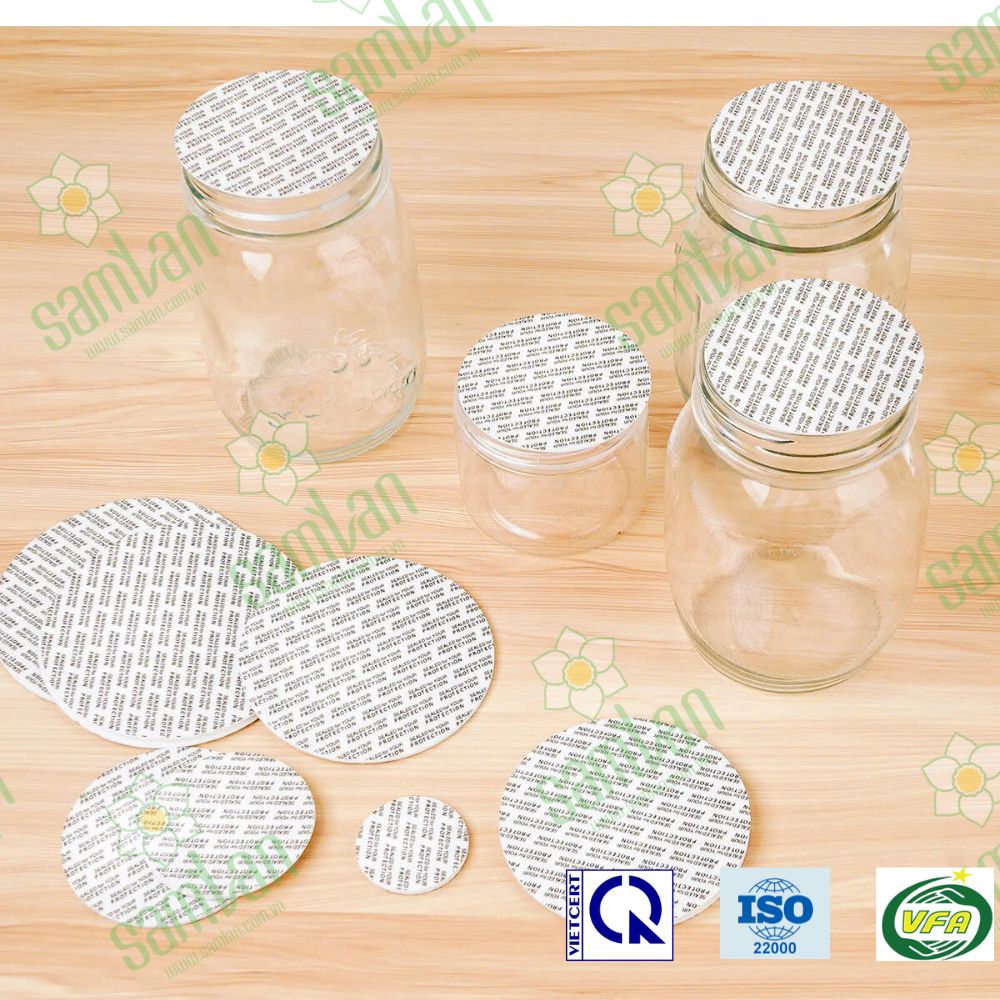
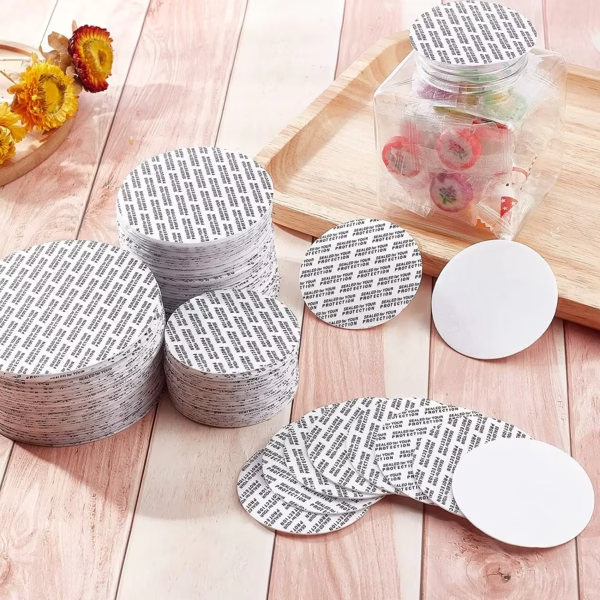
Using aluminum foil seal liners, induction sealing provides a powerful airtight barrier that maintains product integrity and extends shelf life, making it an essential step in modern food packaging.
Who Needs Induction Sealing?
Induction sealing is especially vital for food and beverage manufacturers that must maintain freshness and original flavor throughout the product’s shelf life. Perishable goods like juices, dairy products, sauces, and condiments require airtight protection to minimize exposure to oxygen and microorganisms.
For large-scale production lines, induction sealers provide exceptional efficiency — processing thousands of units per hour with consistent quality. Businesses looking to save time, reduce costs, and enhance brand reliability quickly recognize the superior value that induction sealing technology brings.
How the Machine Works
The operating principle of induction sealing is based on electromagnetic induction. When the machine is running, a high-frequency alternating current is generated and transmitted through an internal induction coil. This creates an alternating magnetic field that heats the aluminum foil or seal liner placed inside the bottle cap. Under the effect of this heat, the adhesive layer on the foil melts and bonds tightly to the bottle’s mouth, forming a perfectly airtight seal.
The entire process takes only a few seconds, yet it is powerful enough to prevent oxygen, moisture, and bacteria from entering — keeping the product fresh and safe without the need for harmful chemicals.
Outstanding Advantages
Induction sealing technology operates through electromagnetic induction, in which a high-frequency alternating current passes through an internal coil to generate a fluctuating magnetic field. This field heats the aluminum foil or inner seal liner inside the cap through electrical resistance, causing the adhesive layer to melt and bond tightly to the container’s rim, creating a perfect airtight seal.
Remarkably, within just a few seconds, the seal adheres firmly, preventing oxygen, moisture, and bacteria from entering and keeping the packaged product in pristine condition. This technology is not only fast but also extremely safe, as it requires no toxic chemicals, ensuring hygiene standards for the food and beverage industry.
Learn more: “Heat Sealing VS Induction Sealing: Which Is Better?”
Applications in Food and Beverages
Today, induction sealing is widely applied in preserving bottled beverages such as purified water, fruit juice, and milk formula; condiments and sauces like honey, syrup, and dressing; powdered products such as protein powder, nutritional supplements, and dry foods; as well as ready-to-eat products that require long-term storage.
Thanks to its secure and consistent seal, these products can retain freshness and quality for 6 to 12 months, meeting the growing demands of both domestic and international markets.
Important Technical Specifications
To ensure optimal performance, several technical factors must be considered when selecting an induction sealing machine. Choosing the appropriate power rating and sealing head size allows manufacturers to maximize efficiency while maintaining a sealing quality that meets industry standards.

Advantages Compared to Other Technologies
Compared to traditional sealing methods such as heat sealing or adhesive sealing, induction sealing proves to be far superior. Common issues such as uneven seals, detachment, or the use of chemicals that may affect the product are effectively eliminated.
Moreover, many modern models are equipped with automatic sensors that detect misaligned caps or missing liners, minimizing errors and improving the quality of the final product.
A typical example is the iFoiler series, which is 10% smaller and 30% lighter than previous generations — saving energy, optimizing installation space, and delivering superior operational efficiency.
Learn more: How to Choose the Right Seal for Your Dairy Product
Conclusion
It can be said that induction sealing technology has proven its irreplaceable role in the food and beverage industry. With the ability to protect product quality, strengthen brand reputation, reduce costs, and meet strict safety standards, this is truly the golden solution for businesses looking to maintain a competitive edge. In today’s increasingly competitive market, investing in an induction cap sealer is a wise decision that ensures every product retains its authentic flavor and integrity when it reaches consumers.
With Sam Lan’s induction sealing technology, your products are always securely sealed, preserving full flavor and enhancing your brand’s value. Let us help you optimize your packaging process today with a modern, efficient, and reliable solution.
 News - Events
6 Common Uses of Silica Gel Packets
 News - Events
Aluminum Foil Gasket: Benefits and Applications
 News - Events
3 Tips for Using Seal Liners Effectively
 News - Events