


Why Seal Compatibility Matters for Product Packaging
Selecting a seal that matches your packaging material is crucial for maintaining quality, safety, and brand credibility. In this guide, Sam Lan explains why seal compatibility plays such a vital role and how to choose the best type for your product.
What Is a Seal and Why It’s Important in Packaging
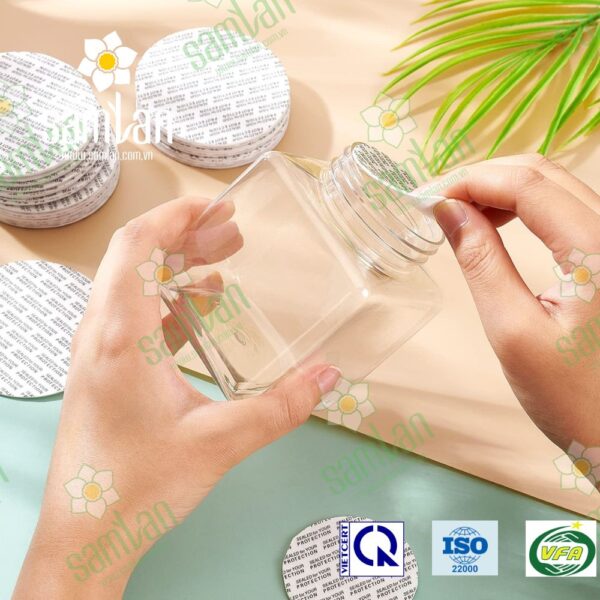
A seal is a protective layer placed over the mouth of a container to prevent leakage, contamination, and oxidation. It’s usually made from materials like aluminum, PP, PE, or PET. This small layer ensures your product stays fresh, safe, and secure, whether it’s food, pharmaceuticals, or cosmetics.

Key Benefits of Using Seals
- Prevents Leakage and Product Waste
Seals keep your product airtight during transport, reducing leakage and preserving freshness. For consumers, opening a sealed container builds trust and improves their overall experience.
- Extends Product Shelf Life
Proper sealing protects products from oxygen and moisture, slowing down oxidation and extending shelf life.
- Enhances Brand Value and Authenticity
A well-sealed product signals quality and professionalism. You can also print your brand logo on the seal surface to strengthen recognition and prevent counterfeiting.
Related Article: 6 Benefits That Make Seals the Top Choice in Product Packaging
Why Seal Compatibility Differs by Material
Different packaging materials PET, HDPE, and glass require specific sealing solutions. Using the wrong type leads to poor adhesion, leakage, or reduced product lifespan. A recent study shows that over 75% of unsealed pharmaceutical batches have a shelf life 50% shorter than properly sealed ones, proving how critical seal compatibility is.
Most Common Seal Types in the Market
1. Paper Aluminum Seals – Safe and Durable
Two-layer structure: paper backing + heat-sealable film.
Pros: Moisture resistance, heat tolerance, leak prevention
Best for: Food powder, supplements, capsules

2. Self Adhesive Seals – Quick and Convenient
No machine needed simply place the seal on the container mouth and tighten the cap.
Pros: Easy to apply, suitable for small batches
Best for: Spices, handmade cosmetics, dry foods
3. PS/PSP Composite Seals – Affordable for Mass Products
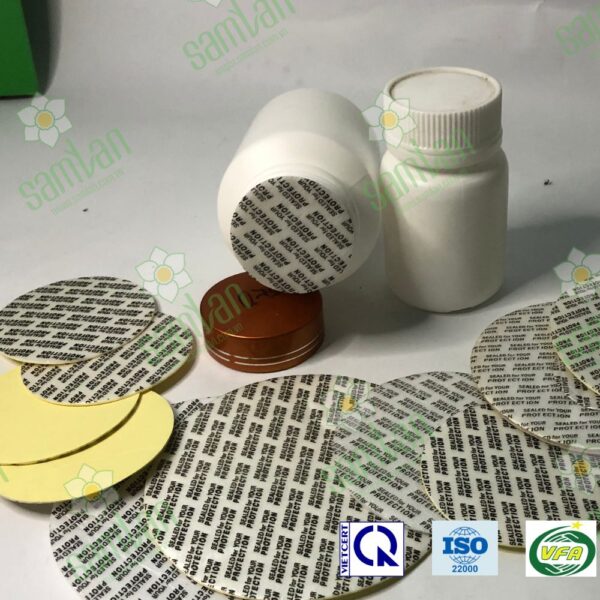
Thicker and more durable; printable surface for brand logos.
Pros: Cost-effective, high productivity, leak-proof
Best for: Beverages, bottled food products


You may also like: Popular Seal Types – The Secret to Protecting Diverse Products
How to Choose Compatible Seals for Different Packaging Materials
Choosing the right seal depends on surface texture, sealing method, and product contents. Below are the best compatible seals for PET bottles, HDPE containers, and glass jars.
For PET Bottles
- Require strong adhesion and high oxygen resistance.
- Recommended Seals: PET seal, PS seal, or self-adhesive seal.
- Benefits: Leak-proof, long-lasting freshness.
For HDPE Containers
- HDPE has a slippery surface; poor compatibility may cause peeling.
- Recommended Seals: Self-adhesive, PS, or PP seals.
- Benefits: Tight sealing, easy handling.
For Glass Bottles
- Smooth surface requires specialized sealing material.
- Recommended Seals: PS Aluminum Carton Seal or PS-Lined Composite Seal.
- Benefits: Maximum oxidation protection, premium appearance.
3 Key Tips for Perfect Seal Compatibility
- Match the Material: Always choose a seal designed for your container type.
- Ensure Correct Size: The seal must perfectly fit the container opening.
- Use the Right Application Method:
- Manual sealing → use self-adhesive seals.
- Machine sealing → use induction or heat-sealed options.
Conclusion
The right seal isn’t just packaging it’s the key to product integrity and brand trust.
By focusing on seal compatibility, you can extend shelf life, enhance product safety, and boost customer confidence.
If you’re unsure which seal suits your PET, HDPE, or glass packaging best, contact Sam Lan today for expert advice and a free consultation on the most compatible seals for your products.