

In the food industry, packaging not only protects the product but also directly impacts its quality, safety, and overall consumer experience. High-standard packaging must meet strict requirements and be able to come into direct contact with food without posing any health risks. For this reason, choosing the right packaging material has become increasingly important for businesses.
Read more: Why do we need food packaging and what is it made of?

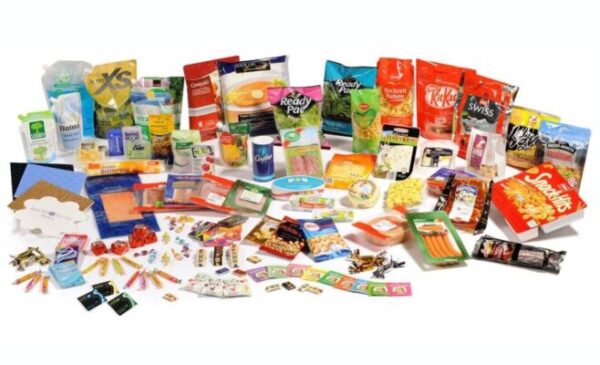
Paper Food Packaging

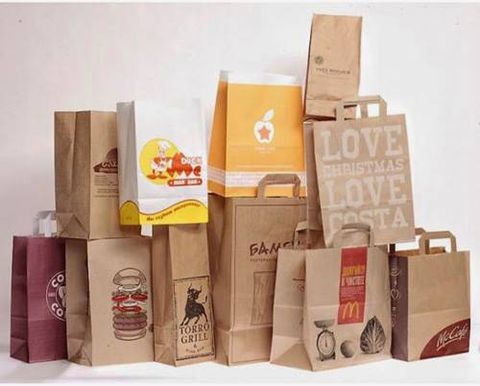
Paper packaging—such as paper bags, cartons, and wrapping paper—is made from wood pulp and widely favored for its eco-friendly qualities. This material is safe, free from harmful chemicals, and naturally biodegradable. A major advantage of paper packaging is its excellent printability, allowing brands to showcase visuals, logos, and product information that enhance brand recognition.
However, paper packaging lacks durability. It tears easily and becomes deformed when exposed to water or strong pressure. Most paper-based products are designed for single-use and typically serve as outer packaging rather than direct food contact. Common applications include popcorn bags, sandwich wraps, and paper cartons used for milk or dry goods.
Plastic Food Packaging

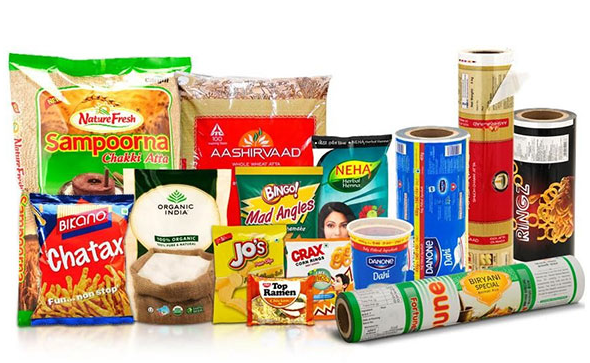
Plastic remains one of the most popular packaging materials thanks to its flexibility, durability, and low production cost. It can be easily molded into various shapes, making it suitable for a wide range of products—from solids to liquids—especially those requiring airtight sealing and extended shelf life.
Despite its strengths, plastic packaging has notable drawbacks. Low-quality recycled plastics may pose health risks, and the material’s long decomposition time contributes significantly to environmental pollution when not properly managed.
Glass Food Packaging

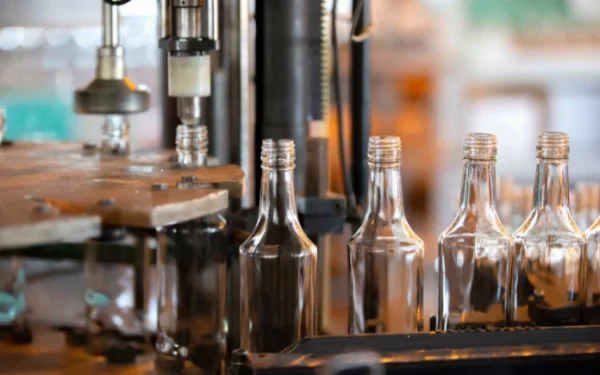
Glass is widely used for premium food products due to its high aesthetic value and exceptional safety. This material is chemically inert, meaning it does not react with food, helping preserve its original flavor and quality. As a result, glass is considered one of the safest and most sustainable packaging options by many consumers.
The biggest disadvantages of glass are its fragility and heavy weight, which complicate transportation and storage, ultimately increasing overall costs.
Metal Food Packaging

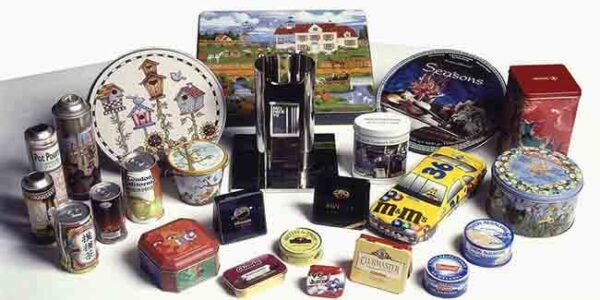
Metal packaging is commonly used for canned goods such as canned fish, condensed milk, pâté, and beverages. It offers excellent food preservation thanks to its airtight structure and strong resistance to bacteria and light. Its surface is also suitable for printing or labeling, enabling businesses to display branding and product information effectively.
However, metal also comes with limitations. It is prone to oxidation, which can lead to rust if the protective coating is not of high quality. Metal containers can dent easily when dropped, and their relatively heavy weight results in higher production and transportation costs compared to other materials.
Food Seal Liner (Induction Seal) Packaging

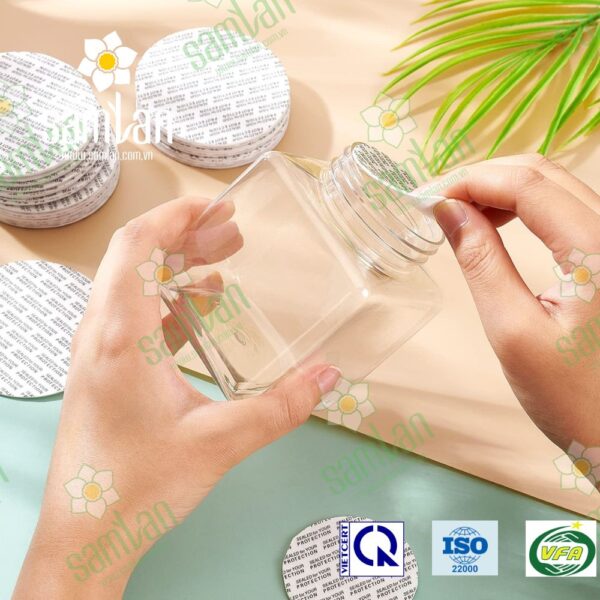
Among modern packaging solutions, seal liners are considered one of the most optimal options for securing and preserving food products. These seals are made from multiple layers of materials such as aluminum, paper, PET, PP, PS, or PE. Each layer contributes specific properties, creating a durable, airtight seal.
Seal liners offer excellent moisture and oxygen resistance, helping maintain the food’s flavor and quality over long periods. They are food-safe and more environmentally friendly than many traditional plastic packaging formats. For these reasons, many food manufacturers prefer using seal liners for jars, bottles, and containers to enhance professionalism and ensure product safety.
Conclusion
Each type of food packaging comes with its own strengths and limitations, making it suitable for different products and usage goals. Choosing the right material not only ensures food safety but also elevates brand value and improves overall customer experience.
If your business is looking for an optimal, safe, sustainable, and visually appealing packaging solution, contact Sam Lan today for expert consultation.