Self-Adhesive Seal Liner vs. Aluminum Foil Seal: Which One Is Better for Effective Packaging?
In today’s manufacturing and packaging industry, seal liners play an essential role. They help protect products from moisture, air, and external environmental factors.
Currently, there are many types of seal liners available on the market. Among them, the most common are self-adhesive seal liners and aluminum foil seals. This variety often leaves businesses wondering which option is better and which one best suits their needs.
In this article, Sam Lan will help you clearly understand the features, advantages, and limitations of each type. From there, you can make the right choice and optimize your packaging costs.
What Is a Self-Adhesive Seal Liner?
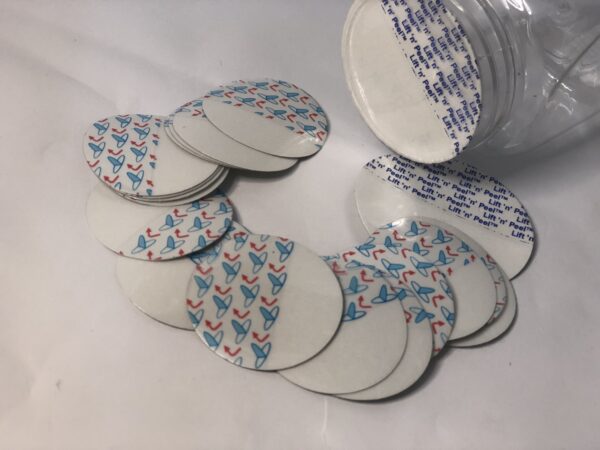
A self-adhesive seal liner is a type of liner that can adhere directly to the mouth of bottles or jars without using any machinery.
To use it, you simply place the liner onto the container opening and press it gently by hand. The sealing process is quick and easy.
Thanks to its convenience and low initial investment cost, self-adhesive seal liners are commonly chosen by small businesses, retail shops, or product testing models.
Advantages and Limitations of Self-Adhesive Seal Liners
Advantages
- No sealing machine required
- Easy to use with simple manual operation
- Suitable for small – scale production and low output
- Low initial investment cost
Limitations
Due to their foam-layer structure, self-adhesive seal liners offer limited protection against moisture and air penetration.
Manual application also requires careful alignment. If the pressure is uneven, the liner may shift or leave gaps along the edges.
As a result, the overall appearance may not be highly attractive. In addition, self-adhesive seal liners are not suitable for liquid products, as they do not provide a completely airtight seal and may cause leakage during transportation.
What Is an Aluminum Foil Seal?
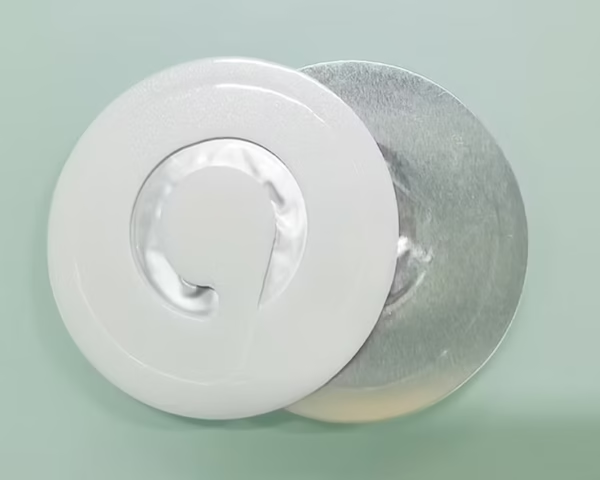
An aluminum foil seal is a specialized sealing material used together with a sealing machine. When heat is applied, the foil adheres tightly to the mouth of the bottle or jar, forming a strong and secure seal.
After sealing, aluminum foil provides high adhesion. It does not peel off or tear easily.
This creates a professional and safe impression for the product. Aluminum foil seals are widely used in the food, pharmaceutical, cosmetic, and chemical industries.
Key Advantages of Aluminum Foil Seals
Compared to self-adhesive seal liners, aluminum foil seals offer several outstanding benefits:
- Fast sealing speed, only 1 – 2 seconds per product
- Excellent airtight performance, effectively preventing moisture and leakage
- Enhanced product appearance and consumer trust
- Suitable for a wide range of products
The cost of aluminum foil seals is relatively low, typically only a few cents per piece. When used in large-scale production, the cost per unit becomes almost negligible.
Disadvantages of Aluminum Foil Seals
The main drawback of aluminum foil seals is the requirement for a sealing machine. The investment cost usually ranges from USD 80 to 200, depending on capacity and brand.
Therefore, if the daily output is below 50 products, investing in a machine may not be cost-effective. In such cases, the initial investment may outweigh the benefits.
Comparison Between Self-Adhesive Seal Liners and Aluminum Foil Seals
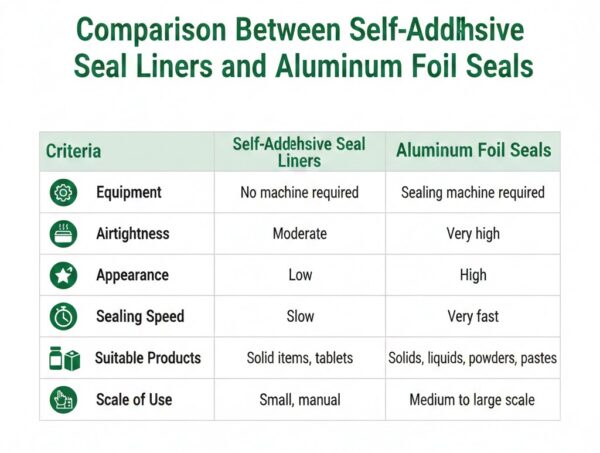
From this comparison, it is clear that each type of seal liner serves a different purpose. There is no “one-size-fits-all” solution—only the most suitable option for specific needs.
How to Choose the Right Seal Liner
To select the right seal liner, businesses should consider production volume, product type, and business orientation.
For production models with an output of 100 units per day or more, aluminum foil seals combined with a sealing machine are recommended. This solution ensures speed, airtightness, and a professional appearance.
For very small production volumes, aluminum foil seals can be applied using a household iron. However, this method is only suitable for small quantities, as it is time-consuming and prone to errors if not done properly.
Self-adhesive seal liners should only be used for solid or tablet products that do not require a perfect seal.
For liquid, powder, or paste products, heat-sealed aluminum foil is strongly recommended to prevent leakage during transportation and storage.
Conclusion
Both self-adhesive seal liners and aluminum foil seals have their own advantages and limitations. The right choice depends on production scale, product type, and investment budget.
Understanding the characteristics of each sealing solution helps businesses optimize packaging costs, improve product quality, and enhance product protection.
Contact Sam Lan today for professional consultation and to choose the most suitable seal liner solution for your business.
 News - Events
Silica Gel Desiccant Packs Supplier from Vietnam: Discover Sam Lan’s High-Quality Products
 News - Events
The Benefits of Minimalist Packaging Design and Solutions from Sam Lan
 News - Events
Secrets to Preserving Dry Foods During Tet: Stay Crisp, Mold-Free
 News - Events