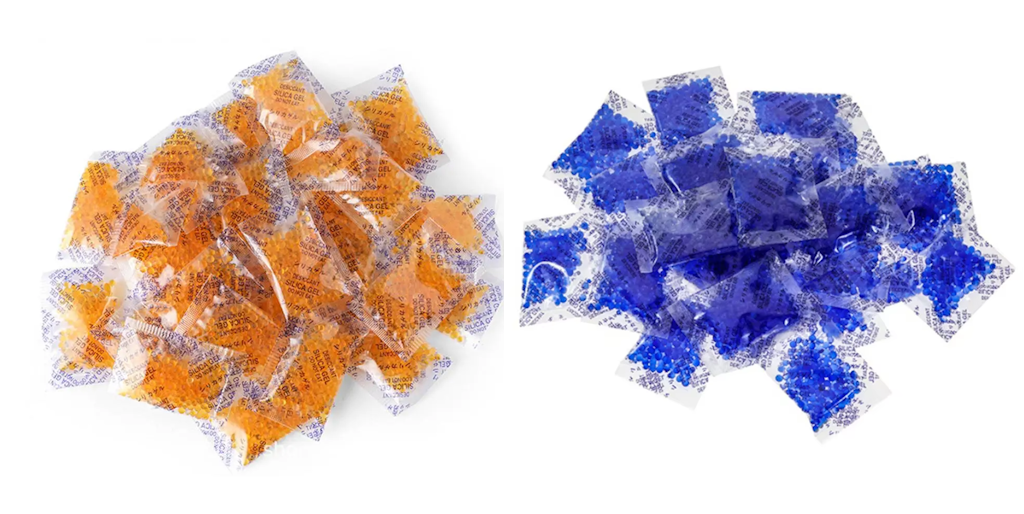
What Does a Color-Changing Desiccant Indicate?
In the process of storing goods—especially food, pharmaceuticals, electronic components, and export products—desiccants play a critical role in moisture control. One common phenomenon is color-changing desiccant beads, which often raises questions about their meaning, safety, and whether they can still be used.
In this article, Sam Lan explains the nature of color-changing desiccants, how to recognize their moisture status, and how to use them correctly to ensure safe and effective storage.
Causes of Color Change in Desiccant Beads
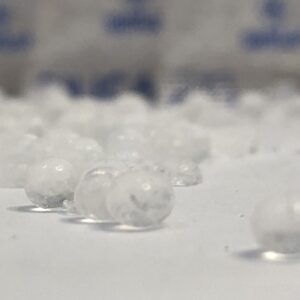
The color change in desiccant beads typically occurs in silica gel with a color indicator. During manufacturing, certain types of silica gel are infused with cobalt chloride, a compound that changes color depending on the amount of moisture absorbed.
When the desiccant is dry, cobalt chloride appears blue. As the silica gel absorbs moisture and reaches saturation, the cobalt chloride molecules bind with water and turn pink. This color transition allows users to easily monitor moisture levels with the naked eye, without the need for specialized measuring devices.
Thanks to this mechanism, color-changing silica gel desiccants are widely used in industries that require strict humidity control, such as electronics, healthcare, food packaging, and export packaging.
What Does a Color-Changing Desiccant Indicate?
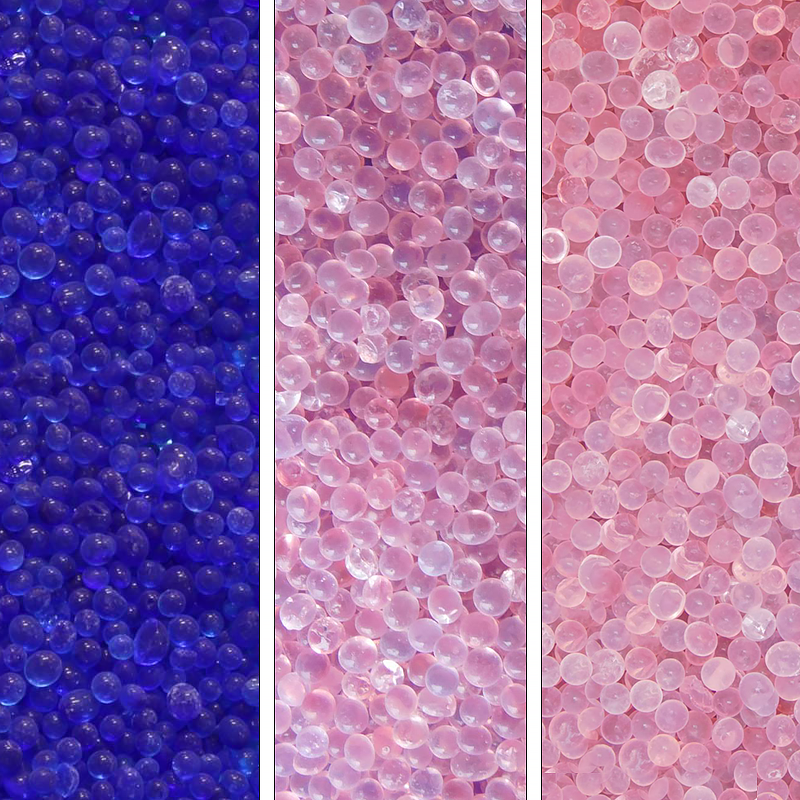
When desiccant beads change from blue to pink, it is a clear sign that they have become moisture-saturated. At this point, their moisture-absorbing capacity is almost exhausted.
If saturated desiccants continue to be used in humid environments, they will no longer provide effective protection. As a result, goods may become moldy, damaged, degraded in quality, or lose their usability.
Therefore, when a color change is observed, businesses and consumers should:
- Replace the desiccant with a new one, or
- Regenerate the desiccant properly if reuse is required
Early recognition helps reduce storage risks and optimize maintenance costs.
What Colors Do Desiccants Usually Change From and To?
Not all desiccants change color when absorbing moisture. This behavior depends on the type of silica gel used.
- White silica gel: Does not change color when absorbing moisture. It absorbs water vapor but provides no visual indication of saturation.
- Indicating silica gel: Initially blue in color. As moisture is absorbed, it gradually turns light pink, deep pink, and may become dark pink when fully saturated.
The addition of cobalt chloride allows users to easily track moisture absorption. This is why blue desiccant packets are commonly used for high-value products.
Today, in addition to cobalt chloride, many eco-friendly and non-toxic color indicators are being developed to meet stricter health and environmental standards.
Can Color-Changing Desiccants Be Reused?
Color-changing desiccants can be reused if they are regenerated properly. Regeneration removes absorbed moisture and restores the desiccant to its original state.
Common regeneration methods include:
- Microwave Drying
Place the saturated desiccant packets on a tray and heat them at a moderate temperature for about 8–10 minutes. Avoid high power settings, as excessive heat may crack or damage the beads.
- Pan Heating
Heat the desiccant beads in a pan over low heat. Allow them to cool, then place them under sunlight to ensure all moisture has fully evaporated.
- Sun Drying
This is a simple and cost-effective method. Sunlight helps moisture evaporate gradually from the pores of the beads, allowing them to return to their original blue color.
However, Sam Lan does not recommend repeated reuse. After multiple regeneration cycles, the moisture-absorbing efficiency of silica gel decreases significantly and may no longer provide reliable protection.
Conclusion
Color-changing desiccants are not dangerous or abnormal. On the contrary, they serve as an important visual indicator that helps users effectively monitor moisture levels. Understanding the causes, meaning, and proper handling of color-changing desiccants can help reduce costs, improve product quality, and ensure safe storage.
Contact Sam Lan today for professional advice on choosing the most suitable desiccant solutions for your storage and packaging needs.
 News - Events
How to Store Capsules Properly – Are You Doing It Right?
 News - Events
Silica Gel Purpose: Cotton vs OPP vs Mesh Guide 2025
 News - Events
Induction Sealing Technology: The Key to Freshness and Safety in Food & Beverage Packaging
 News - Events