
Why Does the Same Sealing Film Deliver Different Sealing Results?
In modern manufacturing and packaging, sealing performance plays a critical role in protecting product quality, extending shelf life, and ensuring safety during storage and transportation. However, in real-world applications, Sam Lan frequently receives feedback from customers such as:
“We use the same sealing film, and it works perfectly in other factories, but on our production line, it doesn’t seal properly or fails to bond completely.”
This often leads businesses to question the quality of the sealing film. In reality, the issue rarely lies in the material itself. Instead, it is usually caused by differences in application conditions and sealing parameters.
This article explains why the same sealing film can produce different sealing results and highlights the key technical factors that must be controlled to achieve stable and reliable sealing performance.
Sealing Performance Depends on More Than Just the Sealing Film
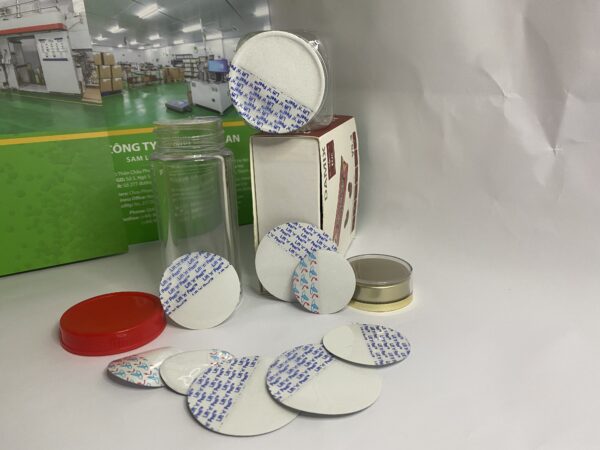
Many assume that choosing the correct sealing film is sufficient. From a technical standpoint, however, the sealing film is only one component of a complete sealing system. The final sealing result depends on the combined effect of several factors, including:
- Bottle, jar and cap design
- Condition of the sealing surface
- Sealing equipment and operating parameters
- Actual production enviroment and
If any of these factors are not properly controlled, the seal may appear acceptable initially but fail to remain airtight—leading to leakage, seal lift-off, or performance degradation during transportation.
1. Flatness of the Bottle Opening – A Commonly Overlooked Factor
An uneven bottle or jar opening is one of the most common causes of poor sealing. During plastic packaging production, typical issues include:
- Mold tolerance deviations
- Slight warping of the bottle mouth
- Residual plastic burrs
These defects prevent uniform contact between the sealing film and the container opening, resulting in:
- Partial sealing only
- Microscopic gaps that invisible to the naked eye
- Increased risk of leakage or seal failure during transport
Even with high-quality sealing film, sealing performance cannot be guaranteed if the container opening is not flat.
2. Cleanliness of the Sealing Surface – The Silent Enemy of Sealing Performance
Dust, Oil, and Moisture Contamination
Sealing films achieve optimal bonding when the contact surface is clean and dry. In real production environments, however, container openings are often exposed to:
- Dust accumulation during storage
- Oil or release agents from molding processes
- Moisture condensation caused by temperature fluctuations
These contaminants significantly reduce the adhesion of the heat-sealing or adhesive layer.
In many cases, the seal appears secure immediately after sealing, but after a few days—or following transportation—it begins to peel off. The root cause is usually inadequate surface preparation.
3. Sealing Pressure and Contact Time – More Is Not Always Better
A common misconception is that increasing pressure or temperature will improve sealing strength. In practice, every sealing film has an optimal operating range, including:
- Sealing temperature
- Contact time
- Pressure applied between the sealing film and container opening
If pressure is too low, bonding will be insufficient. If pressure or temperature is too high, the sealing film may:
- Burn or degrade the adhesive layer
- Deform
- Lose bonding strength after cooling
As a result, the seal may appear intact but lack long-term stability.
4. Differences Between Sample Testing and Actual Production Conditions
Another major reason for inconsistent sealing results is the gap between testing conditions and real production environments.
For example:
- Manual sample testing versus automated machine sealing
- Small – batch testing versus high – speed continous production
- Changes in ambient temperature and humidity
- Variations in operator handling
These differences directly affect sealing performance, even when the sealing film remains unchanged.
>>> Read more: 5 Frequent Issues With Induction Sealing Machines & Effective Solutions
Recommendations for Consistent Sealing Performance
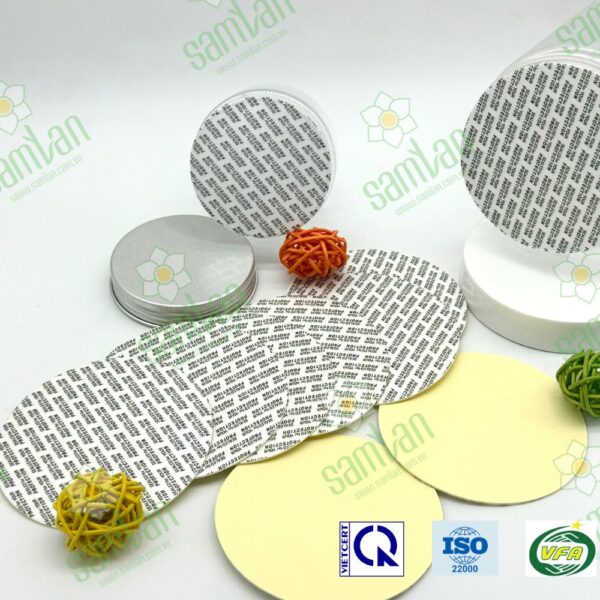
Based on extensive practical experience across industries such as food, pharmaceuticals, cosmetics, and chemicals, Sam Lan recommends a technical, process-driven approach to sealing rather than trial-and-error.
- Inspect actual container and cap samples
- Test sealings under real production conditions
- Fine – tune sealing parameters to match the application
Proper parameter optimization ensures reliable sealing without damaging the sealing film or packaging.
Conclusion
Sam Lan is not just a packaging material supplier—we are a technical partner helping businesses optimize sealing solutions from consultation and sample testing to real-world production implementation.
Contact Sam Lan today for expert guidance on selecting the right sealing film and for professional sealing tests tailored to your production environment.
 News - Events
Secrets to Preserving Dry Foods During Tet: Stay Crisp, Mold-Free
 News - Events
Silica Gel Desiccant Packs Supplier from Vietnam: Discover Sam Lan’s High-Quality Products
 News - Events
Top 5 Common Food Packaging Types: Advantages, Disadvantages & Practical Applications
 News - Events